
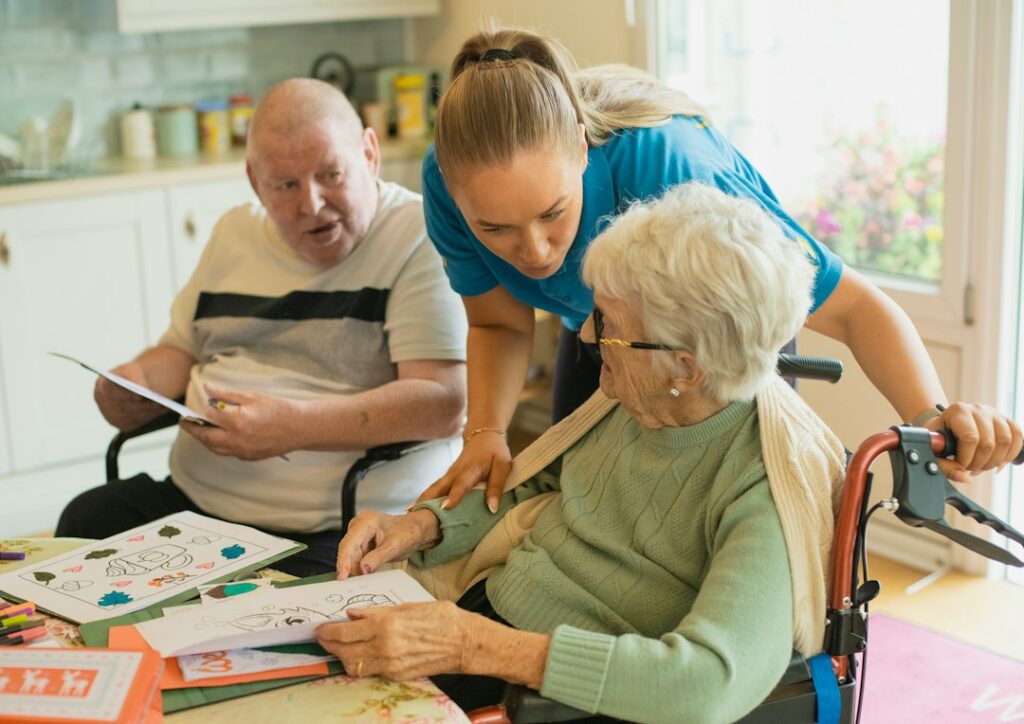
Assisted living is not a single package of care that every resident receives in the same way. In Clearfield, PA, facilities typically adjust support based on a person’s health, abilities, routines, preferences, safety needs, and changing condition.
Customization may involve small daily adjustments, such as allowing extra time to dress, or broader changes, such as adding medication assistance, mobility support, memory-care strategies, or help coordinating outside health services.
How does a facility determine what care a resident needs?
Care usually begins with an assessment completed before move-in or shortly afterward. The assessment looks at what the resident can do independently, what tasks require assistance, and what risks or health concerns should be monitored.
Areas commonly reviewed include:
- Bathing, grooming, dressing, and toileting
- Walking, transferring, and use of mobility equipment
- Eating, drinking, and special dietary needs
- Medication reminders or medication administration
- Memory, decision-making, and communication
- Sleep patterns and nighttime needs
- Personal interests, routines, and social preferences
- Emergency evacuation and safety concerns
The goal is not to assume that an older adult needs help with everything. A resident may be independent with dressing and eating but need assistance with showers and medication timing. Another resident may need little physical help but benefit from reminders, supervision, or a predictable daily structure.
In Pennsylvania, the assessment and support plan are intended to guide the services a resident receives. The plan should reflect current needs rather than relying only on a general service level selected at admission.
What is included in an individualized care or support plan?
An individualized plan explains how assistance will be provided and how staff should respond to the resident’s needs. It may describe the amount, timing, and type of support required during different parts of the day.
For example, a plan might state that a resident:
- Needs cueing to begin a morning routine
- Uses a walker and requires standby assistance during transfers
- Prefers a shower in the evening rather than the morning
- Follows a low-sodium or texture-modified diet
- Takes medications at specific times
- Becomes more confused in the late afternoon
- Needs reminders to attend meals or activities
- Wishes to maintain privacy during personal care
A useful plan also identifies what the resident can still do independently. Preserving those abilities is part of personalized care. Staff may provide setup, verbal prompts, or supervision instead of taking over a task entirely.
This distinction matters because too much assistance can reduce independence, while too little assistance can create avoidable frustration or safety concerns.
Can care change after a resident moves in?
Yes. Care needs often change because of illness, recovery after a hospital stay, a fall, changes in memory, weight loss, new medication, or reduced strength. A resident may also improve after physical therapy or become more confident using mobility equipment.
Facilities generally monitor residents through routine observations, staff communication, medication reviews, and changes reported by family members or health care professionals. A support plan may then be updated to reflect the new situation.
Examples of changing care may include:
- Adding help with transfers after a decline in balance
- Increasing meal supervision after weight loss
- Revising bathing assistance after a change in endurance
- Adding reminders when missed medications become a concern
- Adjusting activities for hearing, vision, or memory changes
- Arranging supplemental health services when appropriate
Families should ask how often plans are reviewed, what events trigger a reassessment, and how changes are communicated. A plan that is created once and never revisited may not accurately reflect the resident’s current needs.
How are personal preferences included?
Personalization is not limited to medical or physical care. Daily preferences can make assisted living feel more familiar and can improve cooperation with necessary tasks.
A resident may have preferences about:
- Wake-up and bedtime routines
- Clothing choices
- Bathing schedules
- Favorite foods or meal timing
- Religious or cultural practices
- Quiet time and social interaction
- Preferred activities
- Family visits and communication
- Room arrangement and personal belongings

A person who has always enjoyed reading, gardening, music, local history, or time outdoors may be more engaged when those interests are included in the daily routine. During winter weather, indoor alternatives may become particularly important for residents who enjoy walking or spending time outside.
Personal preferences should be balanced with safety and facility rules, but they should not be dismissed simply because a resident receives assistance.
How does customization work for memory loss?
Residents with Alzheimer’s disease or other forms of dementia may need care that emphasizes consistency, clear communication, and reduced confusion. The approach may include simple instructions, visual cues, familiar routines, and gentle redirection.
Staff may learn:
- Which words or explanations the resident understands best
- What situations cause anxiety or agitation
- Whether the resident responds better to one-step directions
- What activities are calming or meaningful
- When confusion tends to increase during the day
- How the resident communicates discomfort or unmet needs
Personalized dementia care does not mean every behavior can be prevented. It means staff have a better understanding of the person behind the behavior and can respond in a calmer, more appropriate way.
How are medications and health conditions handled?
Medication support is often customized according to the resident’s abilities and Pennsylvania requirements. One resident may only need reminders, while another may require medications to be administered by authorized staff.
Care planning may also account for diabetes, heart disease, arthritis, respiratory conditions, swallowing concerns, or other health needs. Staff may track symptoms, dietary requirements, mobility limitations, or follow-up instructions from outside medical providers.
Assisted living is residential care, not the same as a hospital or skilled nursing setting. A facility’s ability to manage complex medical needs depends on its license, staffing, available supplemental services, and the resident’s condition. Families should ask directly what health services are available, what is handled by facility staff, and what requires outside coordination.
What local factors can affect customized care?
Residents in Clearfield may face practical considerations related to seasonal weather, hilly or uneven outdoor surfaces, transportation distances, and family members who live in different communities. Winter snow and ice can affect outdoor mobility and appointments, while summer heat may require attention to hydration and safe activity times.
A personalized plan may therefore include indoor exercise options, transportation coordination, fall-prevention measures, clothing guidance for changing temperatures, and communication plans for family members who cannot visit frequently.
Households should also ask how the facility prepares for power interruptions, severe weather, or delayed transportation. These issues may not affect daily care most of the year, but they can become significant during an emergency.
What should families ask about customized care?
Before choosing a setting, families can ask for clear explanations rather than relying on broad terms such as “levels of care.” Useful questions include:
- How is the initial assessment completed?
- Who helps create the support plan?
- How are resident preferences documented?
- How often are plans reviewed?
- What happens after a fall, hospitalization, or major health change?
- How are families notified about changes?
- Which services are included, and which may involve additional charges?
- What care can be provided if mobility or memory needs increase?
- How are emergency plans adapted for residents with disabilities?
- What happens if the facility can no longer meet a resident’s needs?
The most meaningful sign of customization is whether staff can describe the resident as an individual rather than only by diagnosis or service category. Good planning connects personal abilities, preferences, safety needs, and health information into practical daily support.
