

Are Assisted Living Communities Just Like Nursing Homes?
No, assisted living communities are not the same as nursing homes. The two options offer distinct levels of support and atmosphere.
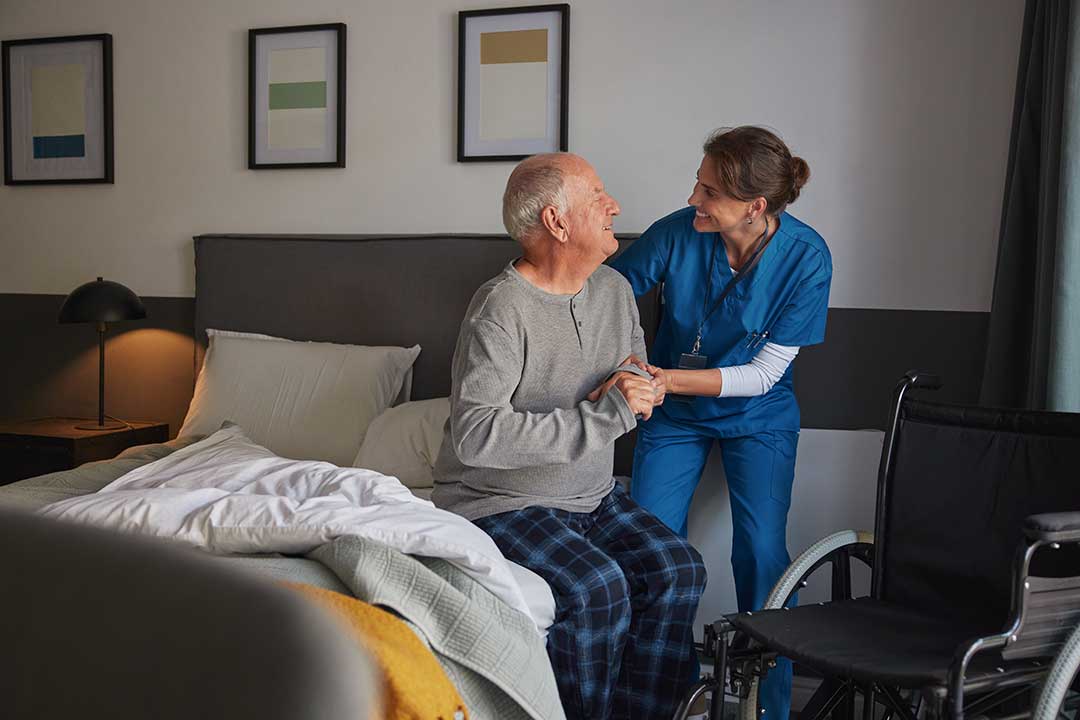
In assisted living, residents usually need some help with daily activities—such as bathing, dressing, or medication reminders—but do not require the 24-hour medical care that nursing homes provide. In most communities, seniors live in private apartments and can participate in group meals and social events. These settings feel much more like traditional apartment living than institutional nursing care.
Do Residents Lose Their Independence in Assisted Living?
Many people worry that moving to assisted living means giving up independence, but this is a common misconception. Residents maintain a high degree of autonomy over their daily routines, with the option to choose meals, activities, and outings as they wish. Assistance is tailored to each person’s preferences and needs.
Area residents often choose assisted living because they want to maintain their independence while having support nearby. Things like transportation services during Pennsylvania winters or accessible facilities can make life easier without taking away control or choice.
Is Assisted Living Only for Those Who Are Very Ill?
Assisted living is not just for people with serious health problems. In fact, many residents are relatively healthy and move in because they want a safer or less demanding lifestyle, particularly if they feel isolated or find home upkeep difficult. Some common reasons local seniors consider this option:
- Looking for a social community after a spouse passes away
- Feeling anxious about managing steps or icy driveways in the region’s winters
- Wanting relief from household chores with no need for major medical care
Are Assisted Living Costs Always Too Expensive for Local Families?
The perception that assisted living is unaffordable can discourage families from exploring it as an option. In reality, costs vary widely based on services, the type of apartment, and the community’s offerings. Costs in this area are sometimes more feasible than people expect, especially when comparing them to the total cost of homeownership, including heating, repairs, taxes, and emergency home services during Clearfield’s seasonal changes.
Many households also overlook state support programs or veteran’s benefits that could help offset costs. It can be worthwhile to compare all monthly home expenses, not just rent.
Do Residents Spend All Day Alone or Bored?
A widespread myth is that assisted living is isolating, when the opposite is often true. Communities generally have daily activities, classes, and special events. Isolation becomes less likely once residents settle in and get to know neighbors and staff.
Those who prefer quiet time can have it, but social opportunities are easier to access than for older adults living alone in rural homes, especially during stretches of poor weather or icy conditions that discourage going out.
Are Visitors or Pets Restricted in Assisted Living?
Policies vary by community, but most assisted living settings recognize the value of family visits and, in many cases, allow for residents’ pets. Regular visits are welcome in nearly all facilities, and personal pets are permitted in some, with guidelines to ensure the comfort of all residents.
During severe flu or cold seasons in Clearfield, communities might limit large gatherings for health reasons, but these restrictions are temporary and follow health guidance to protect everyone.
Do Residents Lose All Privacy?
Privacy is respected in assisted living. Each resident typically has a personal apartment or suite, complete with a private bathroom and secure lock. Staff members do not intrude unless assistance is needed or requested. Residents are free to set boundaries about when and how they receive help or have visitors.
Is Assisted Living Only for the Very Elderly?
While most residents tend to be older adults, there is no fixed minimum age. People sometimes relocate to assisted living in their mid-sixties, especially if managing their homes becomes challenging early due to mobility changes, arthritis, or after surgeries common among Pennsylvanians during winter months. The focus is on supporting needs, not age alone.
Are All Assisted Living Communities Alike?
Each community develops its own culture, programming, and approach. Some have large garden spaces or walking paths to enjoy Pennsylvania’s changing seasons, while others focus more on arts, crafts, or even continuing education. Differences in meal planning, room types, and social offerings mean it’s worth exploring options before deciding, especially to see which best fits personal interests and local lifestyle preferences.
