

Choosing the right level of care is less about finding the “highest” amount of help and more about matching support to a person’s daily abilities, health needs, safety concerns, and preferences. The appropriate setting should provide enough assistance to make daily life safe and manageable without taking away independence unnecessarily.
What does “level of care” mean?
A level of care describes the amount and type of help a person needs, as well as the setting where that help can safely be provided. Assessments commonly consider physical function, cognitive abilities, medical conditions, mobility, medication management, and behavioral or emotional needs. ([pa.gov](https://www.pa.gov/content/dam/copapwp-pagov/en/aging/documents/resources-for-aging-professionals/policy-and-procedure-manual/chapter-iii_assessment/chapter%20iii%20-%20assessment%20chapter%204.4.24%20final.pdf?utm_source=openai))
Care may be provided in several settings:
- At home, with unpaid caregivers or paid support
- Through home care or personal care services
- In a personal care home
- In an assisted living residence
- In a nursing facility when ongoing medical or nursing support is required
These categories are not always permanent. A person may begin with limited help and need more support after an illness, fall, diagnosis, or change in memory.
How can a family tell when more support is needed?
A change in routine is often more revealing than a single diagnosis. The need for additional care may become apparent when a person:
- Has repeated falls, near-falls, or difficulty using stairs
- Forgets medications or takes them incorrectly
- Has trouble bathing, dressing, toileting, or transferring safely
- Leaves food cooking, misses meals, or loses weight
- Becomes confused about appointments, bills, or household tasks
- Cannot manage winter conditions, snow, ice, or heating safely
- Is increasingly isolated, frightened, or unable to respond to an emergency
- Requires more help than family members can provide consistently
For households in Clearfield, seasonal conditions can make existing limitations more noticeable. Ice, snow, shorter daylight hours, and rural or spread-out housing patterns may affect transportation, outdoor mobility, and access to help. A person who manages well during mild weather may need a safer plan before winter arrives.
A single mistake does not automatically mean a move is necessary. The more useful question is whether difficulties are becoming frequent, dangerous, or impossible for available caregivers to manage.
Is home care enough, or is a residential setting more appropriate?
Home care may be reasonable when the person can remain safe between scheduled visits and has reliable assistance with meals, medications, bathing, transportation, and household tasks. It may also work when the home can be modified and family members can respond to emergencies.
A residential setting may be more appropriate when supervision is needed throughout the day, caregivers are exhausted, or the home environment creates ongoing risks. Personal care homes and assisted living residences can provide meals, supervision, personal care, medication assistance, and help with daily activities. Pennsylvania describes assisted living residences as settings that may serve people with higher care needs while still supporting decision-making and aging in place. ([pa.gov](https://www.pa.gov/agencies/dhs/resources/aging-physical-disabilities/personal-care-homes?utm_source=openai))
The decision should account for more than physical care. Consider whether the person can:
- Call for help when needed
- Understand and follow safety instructions
- Manage nighttime needs
- Recognize familiar people and surroundings
- Participate in decisions about care
- Remain safe when alone for several hours
If these abilities are changing, a written assessment can help clarify whether home-based support remains realistic.
What is the difference between personal care and assisted living in Pennsylvania?
Personal care homes and assisted living residences are both residential settings, but they are not identical. Personal care homes generally provide shelter, meals, supervision, and assistance with personal care for people who cannot safely live alone but do not need 24-hour nursing care.
Assisted living residences may serve residents with greater care needs and are designed to support more independence and the possibility of remaining in the setting as needs increase. The actual services and admission rules vary by residence, so the license type alone does not answer whether a particular setting is suitable. ([pa.gov](https://www.pa.gov/agencies/dhs/resources/aging-physical-disabilities/personal-care-homes?utm_source=openai))
Neither setting should automatically be treated as a nursing home. Nursing facilities are medical settings for people who require a more intensive level of ongoing nursing or clinical care. Pennsylvania’s Department of Human Services notes that personal care homes and assisted living residences are residential facilities, while nursing homes are licensed medical facilities. ([pa.gov](https://www.pa.gov/agencies/dhs/resources/aging-physical-disabilities/personal-care-homes/personal-care-home-faq?utm_source=openai))
What should be included in a care assessment?
A useful assessment should describe what the person can do independently, what requires reminders, and what requires hands-on assistance. It should also identify changes that may occur over time.
Important areas include:
- Bathing, dressing, grooming, and toileting
- Eating, drinking, and meal preparation
- Walking, transfers, balance, and use of mobility equipment
- Continence care
- Medication self-management or administration needs
- Memory, judgment, communication, and orientation
- Sleep patterns and nighttime supervision
- Chronic medical conditions and recent hospitalizations
- Mood, anxiety, wandering, aggression, or other behavioral concerns
- Transportation and ability to attend appointments
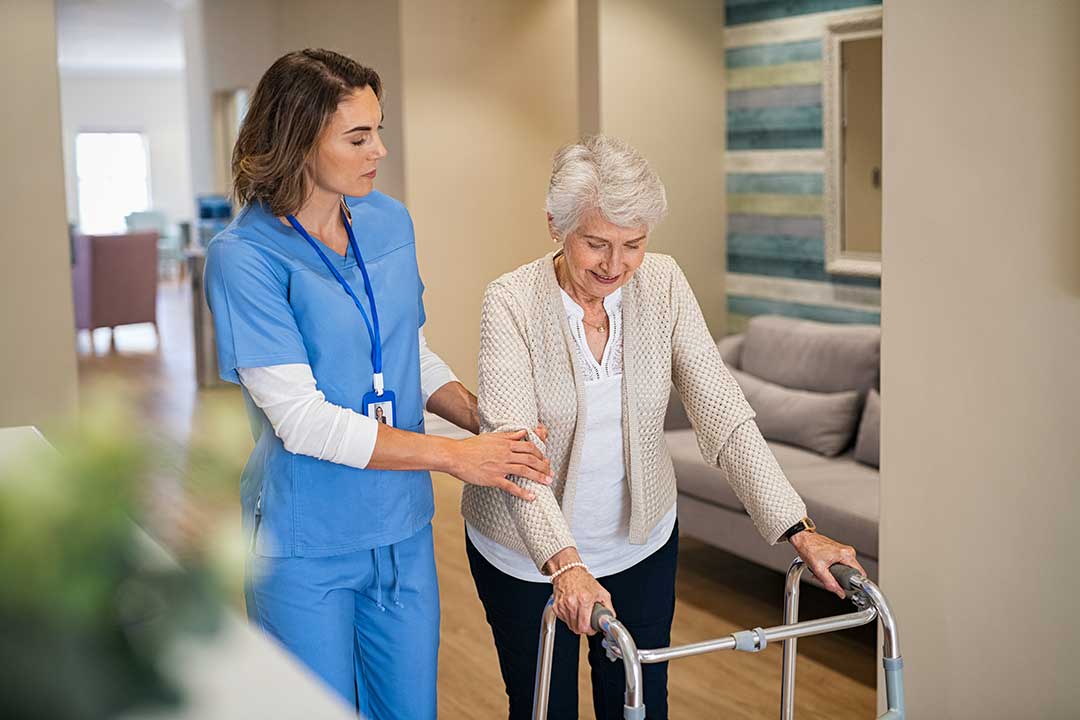
Pennsylvania’s assessment materials specifically address activities of daily living, instrumental activities, mobility, and the ability to self-administer medication. A support plan should then explain which services will be provided, when they will be provided, and by whom. ([pa.gov](https://www.pa.gov/agencies/dhs/resources/licensing/pch-alr-licensing/pch-alr-compliance-forms?utm_source=openai))
Bring a current medication list, recent discharge instructions, physician information, emergency contacts, and a written description of typical daily routines. Family observations can be valuable, especially when memory loss causes a person to underestimate difficulties.
How can families compare settings fairly?
Start by asking whether the setting can meet the person’s needs now and what happens if those needs increase. Questions should be specific rather than general.
Ask:
- Which activities of daily living can staff assist with?
- Is help available during nights, weekends, and emergencies?
- Who manages medications, and what training do staff receive?
- How are falls, changes in condition, and missed meals documented?
- What happens if the resident begins wandering or needs more transfers?
- Are outside medical, therapy, or hospice services permitted?
- What services cost extra?
- Under what circumstances would the resident need to move elsewhere?
- How are families informed about changes in health or behavior?
Visit more than once, including during a meal and at a different time of day. Observe whether residents appear clean, comfortable, and respected. Listen to how staff speak to residents. Notice odors, noise, lighting, accessibility, and whether hallways and bathrooms appear safe.
Pennsylvania recommends confirming licensure, reviewing service descriptions and contracts, asking about staff training, and visiting at different times before choosing a personal care home or assisted living residence. ([pa.gov](https://www.pa.gov/agencies/dhs/resources/aging-physical-disabilities/personal-care-homes?utm_source=openai))
What financial details should be reviewed?
The monthly base rate rarely tells the whole story. Request a written list of included services and additional charges for items such as medication administration, incontinence care, transportation, laundry, special diets, or increased hands-on help.
Personal care homes and assisted living residences are generally paid privately, although some residents may receive limited assistance through public programs or community-based services. Eligibility and coverage depend on the program, the person’s finances, and the level of need. ([pa.gov](https://www.pa.gov/agencies/dhs/resources/aging-physical-disabilities/personal-care-homes?utm_source=openai))
Compare the total expected monthly cost with the cost of remaining at home, including paid caregivers, transportation, home repairs, meal delivery, emergency response systems, and family time away from work.
When should the decision be revisited?
The right level of care can change. Reassess after a fall, hospitalization, significant weight loss, medication error, new diagnosis, or noticeable change in memory or behavior. Also review the plan if a family caregiver becomes ill, moves away, or can no longer provide the same schedule.
A thoughtful decision considers both present needs and likely changes over the next year. The goal is a setting and support plan that protect safety while preserving dignity, familiar routines, personal choice, and meaningful connections with the community.
