
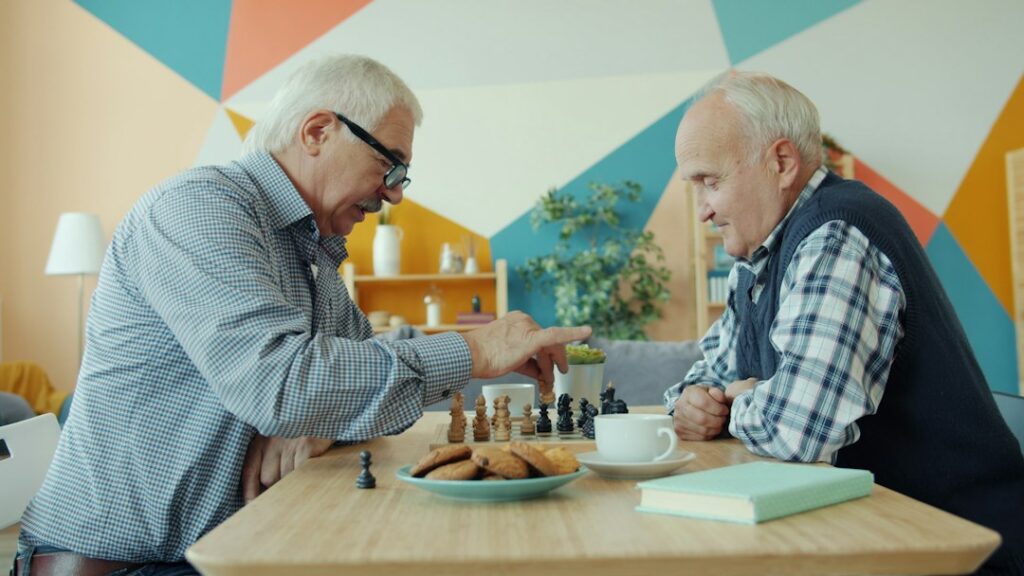
Loneliness can affect anyone in assisted living, including people who live around others every day. A resident may feel lonely after moving away from a long-time home, losing a spouse or close friend, adjusting to health changes, or finding it difficult to join conversations and activities.
In Clearfield, PA, seasonal weather can also shape social routines. Cold temperatures, snow, rain, and shorter daylight hours may make it harder for older adults to leave their residence or receive visitors. Recognizing loneliness early allows residents, families, and staff members to respond with practical support rather than assuming someone simply needs to “try harder” to socialize.
What does loneliness look like in assisted living?
Loneliness is a personal feeling of lacking meaningful connection. It is different from being alone. Some residents enjoy quiet time and feel content, while others may feel isolated even in a busy dining room or activity area.
Possible signs include:
- Spending most of the day alone or remaining in the room during shared activities
- Frequently saying that nobody visits or that there is nothing to look forward to
- Losing interest in hobbies, meals, conversations, or personal routines
- Appearing sad, anxious, irritable, withdrawn, or unusually quiet
- Calling or messaging family repeatedly for reassurance
- Sleeping more than usual or having a noticeable change in appetite
- Expressing grief, hopelessness, or a sense of being forgotten
These signs do not always mean loneliness is the only concern. Pain, hearing loss, medication effects, depression, memory changes, and sleep problems can also affect social behavior.
Why can assisted living feel lonely?
Moving into assisted living often involves several losses at once. A resident may leave a familiar house, neighborhood, garden, church routine, pet, or network of nearby friends. Even when the move is necessary for safety or support, the adjustment can involve grief.
Residents may also feel lonely because:
- They have not yet learned the daily rhythm of the residence
- They are unsure how to enter an established group
- Hearing or vision difficulties make conversation tiring
- Mobility limitations make it difficult to reach common areas
- They prefer smaller or quieter gatherings than the scheduled activities provide
- Their interests do not match the most visible programs
- Family members live far away or have limited transportation and work schedules
- They are grieving a spouse, sibling, friend, or former way of life
A person who appears uninterested may actually feel embarrassed, fatigued, uncomfortable, or uncertain about how to participate.
What can a resident do to build more connection?
The most useful approach is usually to begin with small, repeatable interactions rather than trying to become highly social all at once. Familiarity grows through regular contact.
Helpful starting points may include:
- Sitting in a common area for ten or fifteen minutes
- Greeting the same neighbor or staff member each day
- Choosing one recurring activity instead of attending everything
- Asking another resident about a shared interest, such as gardening, sports, music, cooking, or local history
- Eating one meal each day near other residents
- Joining a card game, craft group, walking group, or discussion
- Helping with a simple shared task, such as arranging materials or watering plants
- Inviting one person to have coffee, tea, or a snack together
A resident does not need to be outgoing to form relationships. Many meaningful connections develop through quiet companionship, shared routines, or brief conversations.
How can families help from a distance?
Family support is more effective when it is consistent and specific. A general promise to “visit more often” may be difficult to maintain, while a predictable routine gives the resident something to expect.
Families can consider:
- Setting a regular call time, even if calls are brief
- Using video calls only if the resident is comfortable with the technology
- Sending familiar photographs, cards, letters, or seasonal decorations
- Talking about specific memories rather than asking only, “How are you?”
- Sharing a family update, recipe, story, or old song
- Planning visits around the resident’s energy level instead of focusing only on holidays
- Asking what activities the resident has enjoyed recently
- Coordinating calls among relatives so communication is spread across the week

If a resident has hearing loss, a quiet room, slower speech, written notes, or an amplified telephone may make conversations easier. Shorter visits may be more meaningful than long visits that leave the resident tired.
What should assisted living staff consider?
Residents are more likely to participate when activities reflect their abilities, preferences, and past routines. A large group event may work well for some people but feel overwhelming to others.
Supportive approaches include:
- Offering one-to-one conversation for residents who avoid groups
- Introducing new residents to one or two people with similar interests
- Providing quieter activities alongside larger gatherings
- Scheduling programs at different times of day
- Making sure common areas are accessible and well lit
- Checking whether hearing, vision, pain, fatigue, or mobility issues are limiting participation
- Following up with residents who stop attending meals or activities
- Creating opportunities for residents to contribute, not only receive services
A resident may be more willing to join an activity if someone personally explains what will happen and offers to accompany them the first time.
How do weather and transportation affect social connection?
Seasonal conditions can make isolation worse, particularly for residents who depend on family rides or community transportation. Snow, ice, heavy rain, and early darkness may reduce visits and outdoor activities. Even when roads are safe, families may postpone travel during difficult weather.
During indoor-heavy periods, residents can maintain connection through hallway visits, shared meals, indoor walking, simple exercise, music, crafts, letter writing, and scheduled phone calls. Families may also coordinate visits around daylight and safer travel conditions rather than expecting a resident to manage winter transportation independently.
The goal is not to eliminate quiet days. It is to prevent a pattern in which poor weather leads to several weeks without meaningful contact.
When is loneliness a sign of a larger problem?
Persistent loneliness deserves attention, especially when it is accompanied by sadness, hopelessness, confusion, loss of appetite, poor sleep, or withdrawal from activities the resident previously enjoyed. Statements about not wanting to live, being a burden, or having no reason to continue require immediate attention from staff and family.
A change in social behavior may also signal a medical or sensory concern. New hearing difficulty, untreated pain, medication changes, infection, depression, or cognitive changes can make interaction harder. Staff members and family should share observations rather than assuming the resident is simply being difficult or antisocial.
The resident’s preferences should remain central. Some people need more companionship, while others need privacy, quiet, or time to adjust. Meaningful support respects both needs and focuses on helping the person feel known, included, and able to participate at a comfortable pace.
